
Blog
Diabetes

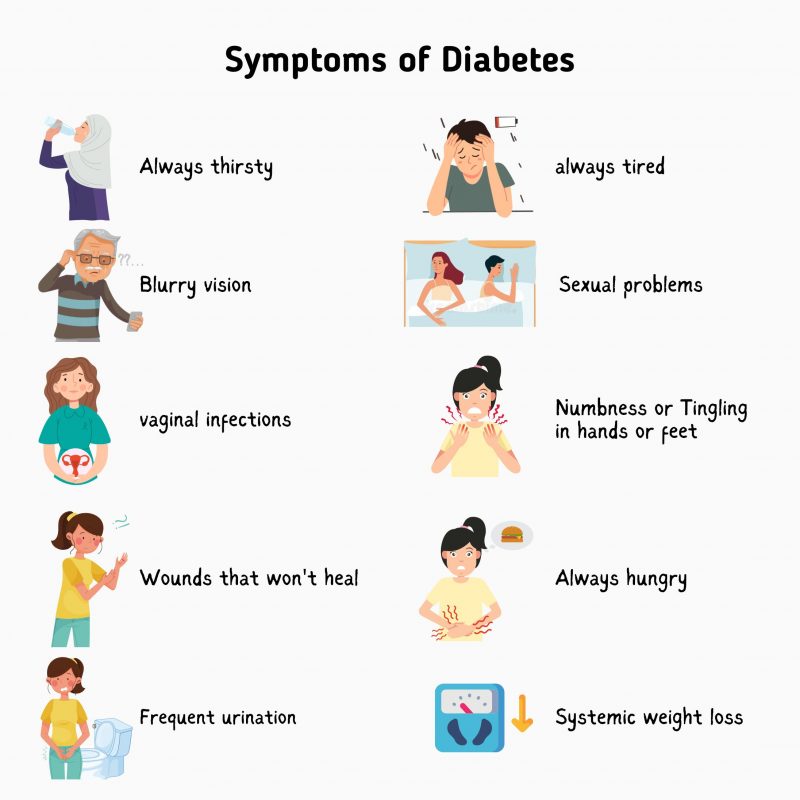
Diabetes is a serious, chronic condition when there is too much glucose (a type of sugar) in the blood. Glucose levels are usually regulated by the hormone, insulin which is created in the pancreas. People with diabetes either don’t produce insulin or don’t produce enough of it, which results in high blood sugar levels. This can cause long-term and short-term health complications.
Types of Diabetes
Type 1 Diabetes – Begins when the pancreas fails to produce enough insulin.
Type 2 Diabetes – Happens because the body has increased insulin resistance and the body is failing to respond or use insulin properly.
Gestational Diabetes – Results from when a pregnant woman suddenly develops high blood-sugar levels without having a prior history of another type of diabetes.
Diagnosis and treatment
Early diagnosis can be accomplished through relatively inexpensive testing of blood glucose.
Treatment of diabetes involves diet and physical activity along with lowering of blood glucose and the levels of other known risk factors that damage blood vessels. Tobacco use cessation is also important to avoid complications.
Interventions that are both cost-saving and feasible in low- and middle-income countries include:
- blood glucose control, particularly in type 1 diabetes. People with type 1 diabetes require insulin, people with type 2 diabetes can be treated with oral medication, but may also require insulin;
- blood pressure control; and
- foot care (patient self-care by maintaining foot hygiene; wearing appropriate footwear; seeking professional care for ulcer management; and regular examination of feet by health professionals).
find out more at World Health Organization (WHO) newsroom on 16 September 2022.
“Diabetes and Diabetic Foot”
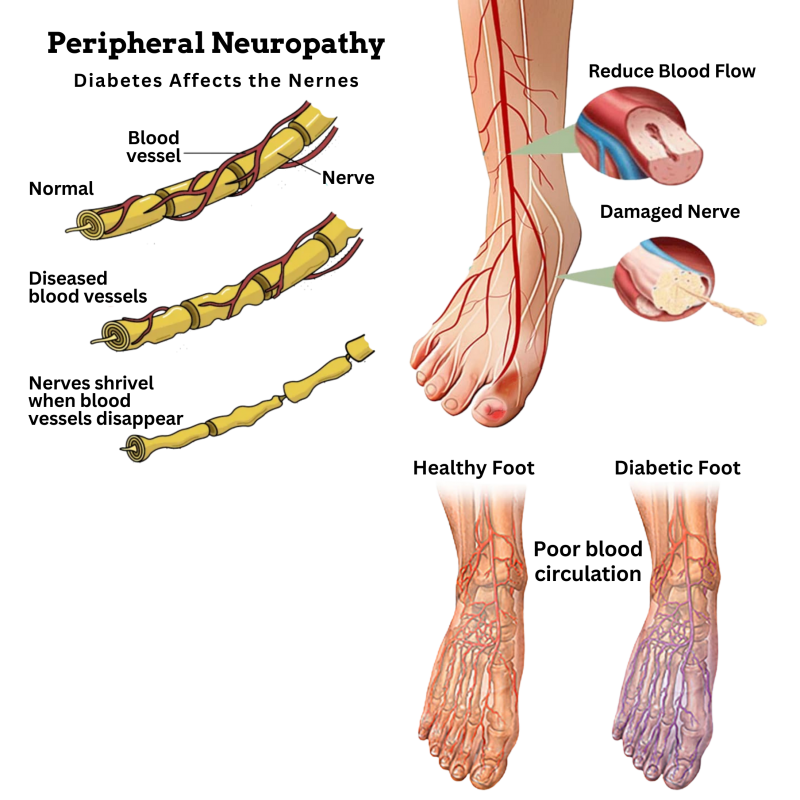
One of every 10 diabetic patients develop diabetic foot problem. Diabetes can cause double trouble to the feet.
First, diabetes can reduce blood flow to the feet, depriving feet of oxygen and nutrients. This makes it more prone to complication like blisters, sores, and cuts.
Second, the diabetic nerve damage called “Peripheral Neuropathy” can cause numbness in the feet.
Anyone who has diabetes can develop foot complications—even those at low risk. So, while all diabetics should be aware of their feet, those with a medium to high risk for foot issues should consider diabetic socks. Even people who haven’t had foot ulcers before can run into problems rapidly.
“It can develop really quickly, even over a weekend,” says Dr. Khare. “It can be as simple as wearing the wrong kind of shoes to a wedding party.”
Socks are an easy and inexpensive way to help prevent life-altering issues.
Ultimate Energy Socks / Footcare
Option: Footcare Black
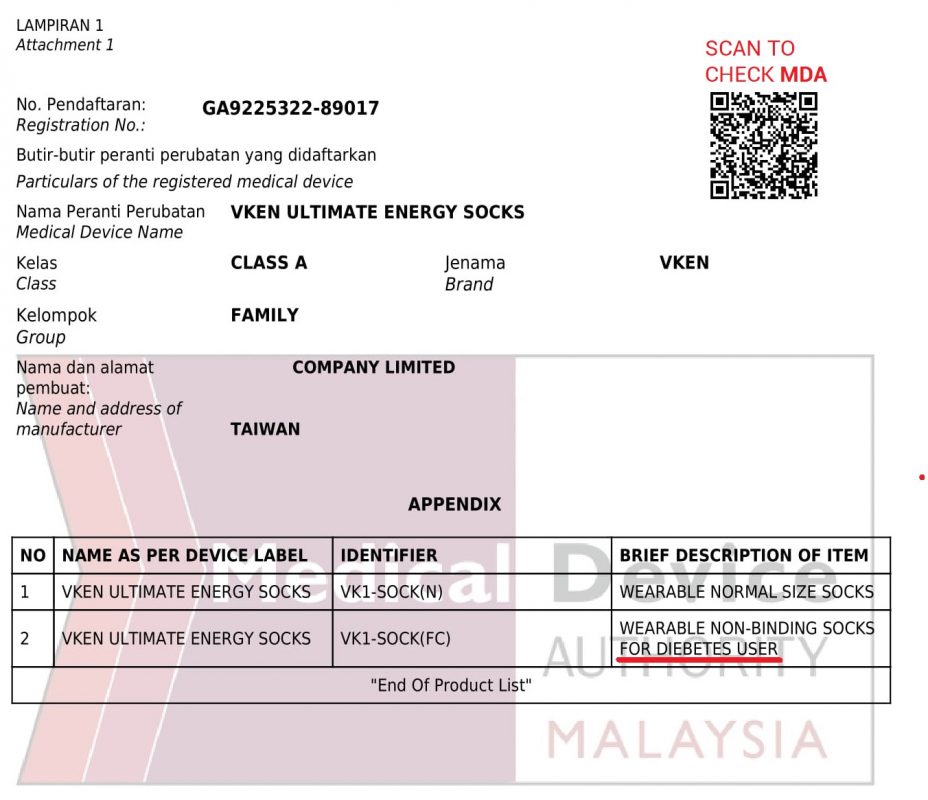
VKEN Socks has been Classified as Medical Device CLASS A, VKEN Foot Care Socks are designed specifically for people with diabetes. It is very easy to use for people who are suffering from diabetes of any kind at any stage. Wear VKEN Socks every day and most of the time (encourage drinking enough water for better effect). VKEN socks can help regulate the blood circulation, thereby healing all wounds, infections and other.
VKEN uses a high-performance Nano-functional textile fiber with antibacterial function, the fiber contains Nano-powder composite material that can reduce risk of bacterial growth. In addition, the far-infrared and negative ion Nano-powder in VKEN material can keep the body warm, healthy and feel comfortable. Specialized ultra-fine “cross (+) Shaped” fiber that accelerate sweat from skin to the outer surface of the socks to make skin feel dry, refreshing, comfortable and breathable
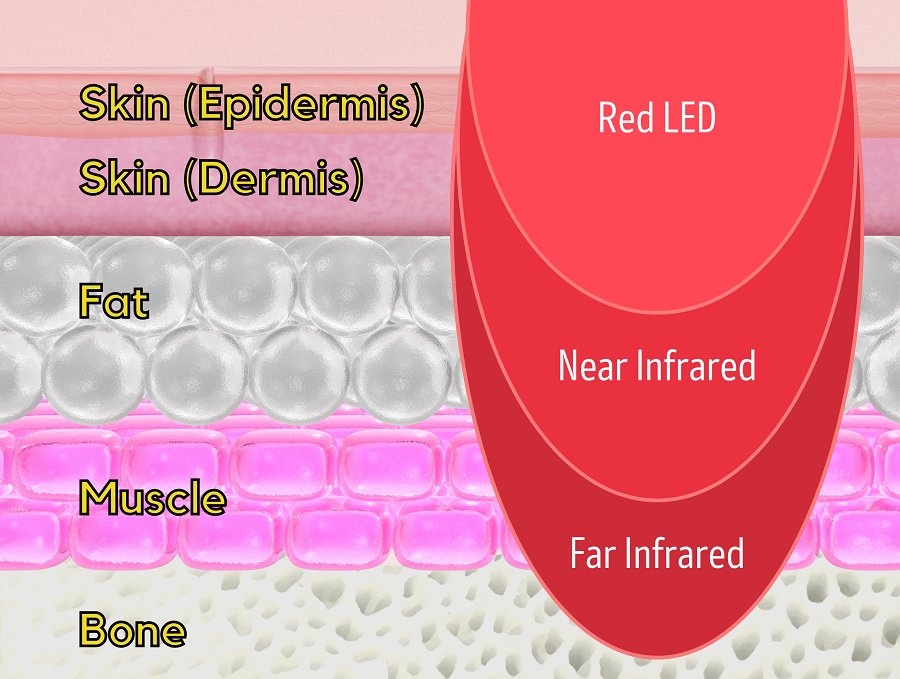 VKEN textiles combine natural ingredients that can absorb external energy (including sunlight and human body heat) and effectively emit far infrared rays during the pretreatment process of fibers or fabrics, so that the textiles have better performance, and reflect the far-infrared rays with a wavelength of 4μm-14μm that are most needed by the human body, it penetrate 2.5 inches (almost 7 cm) beneath the skin to keep the body warm, dilate capillaries, improve blood circulation and accelerate metabolism.
VKEN Foot Care Socks are designed with seamless toe closure and non-binding top, seams in regular socks can sometimes cause blistering or sores on diabetics’ feet. control moisture in the area and are anti-fungal. Moisture-control diabetic socks allow your feet to breathe, preventing sweating and keeping bacteria from growing. VKEN socks are very useful hosiery products that help blood circulation in the lower body of diabetics and also help wounds, cuts or ulcers heal faster. People with low or high blood pressure may also find socks useful as they help control blood pressure levels. Wearing shoes for extended periods of time can be bad for diabetes because closed feet produce too much moisture. VKEN socks can control the moisture level of the skin, thus allowing the feet to breathe. By controlling the moisture, it keeps the feet dry and free from bacterial infections.
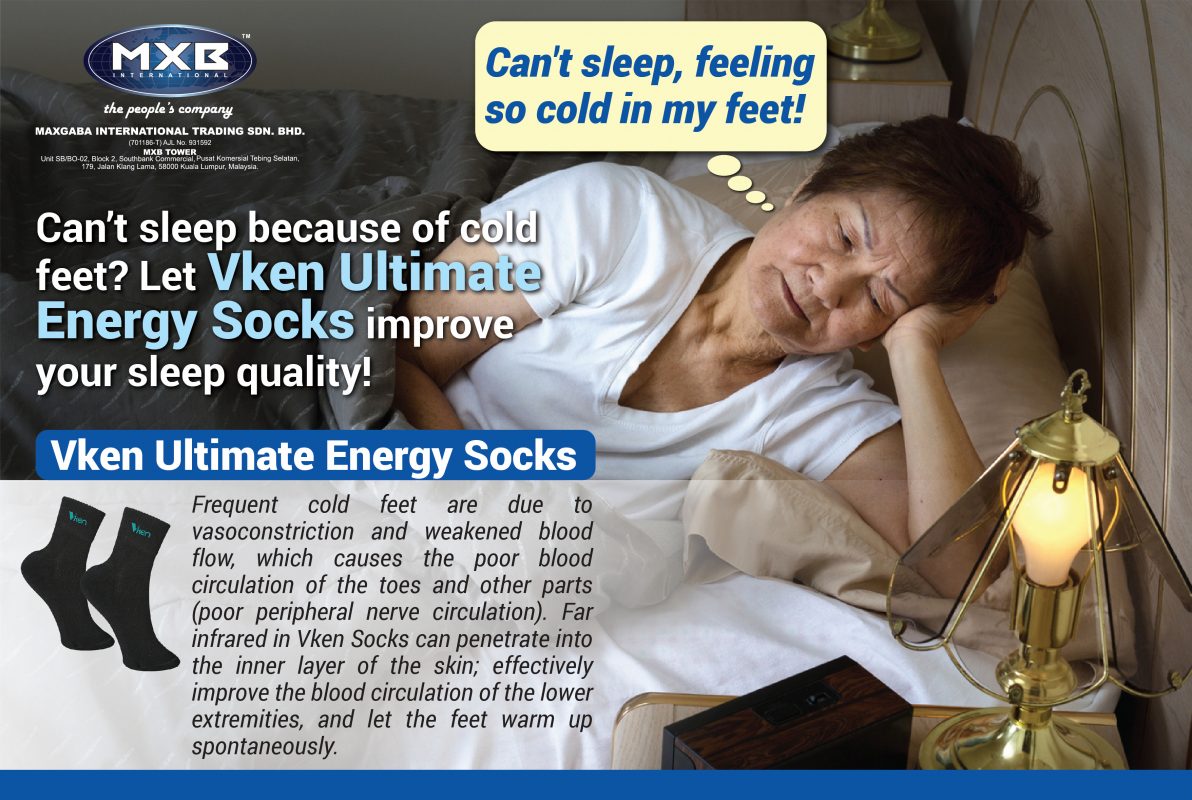
VKEN Sock also help Removal of toxins through palm of feet, Overcoming cold, numb, cramps and paralysis, Promote good sleeping quality.
Try get ONE now!!!
