
Uncategorized
What are Essential Oils?
Essential oils (EO) are concentrated plant extracts that retain the natural smell and flavor, or “essence,” of their source.
Essential oils are generally extracted by distillation, often by using steam. Other processes include expression, solvent extraction, sfumatura, absolute oil extraction, resin tapping, wax embedding, and cold pressing. They are used in perfumes, cosmetics, soaps, air fresheners and other products, for flavoring food and drink, and for adding scents to incense and household cleaning products.
Read more about Essential oil – Wikipedia
Read more about How To Use Essential Oils by Medically Reviewed by Stephanie S. Gardner, MD on November 03, 2021
“Essential oils are fantastic. They have many benefits,” says integrative medicine specialist Yufang Lin, MD. “The problem lies in how people use them.”
Benefits of essential oils
Essential oils can be used in aromatherapy, a kind of complementary medicine that uses smell to improve your health or applied topically to the skin.
Studies have shown that essential oils may help:
- Boost mood.
- Improve job performance through reduced stress and increased attentiveness.
- Improve sleep.
- Kill bacteria, funguses and viruses.
- Reduce anxiety and pain.
- Reduce inflammation.
- Reduce nausea.
- Relieve headaches.
Here are some common essential oils and their benefits:
Tea tree oil
Most people use tea tree oil as an antiseptic, antimicrobial or antifungal. You can also use it to help with:
- Acne. “Take a cotton swab and dip it into tea tree essential oil. Then, apply it directly on the acne — this is one exception where you don’t have to dilute it,” says Dr. Lin. “It can help resolve acne faster.”
- Athlete’s foot and ringworms. “Dilute it with a carrier oil (a base or vegetable oil like coconut or jojoba oil that helps dilute essential oils) and put the blend on the affected skin.”
One note of caution: Since tea tree oil can be neurotoxic, Dr. Lin says you shouldn’t diffuse it if you have small children or animals at home.
Frankincense oil
Known as the “king of oils,” frankincense can help with inflammation, mood and sleep. Studies have shown that it can also improve asthma and might prevent gum disease.
Frankincense oil has a woody, spicy scent and can be used as aromatherapy and can be found in skin creams. Makes sure you dilute frankincense oil before applying it to your skin.
Peppermint oil
Peppermint oil is known to:
- Be an anti-inflammatory, antifungal and antimicrobial.
- Ease headaches.
- Fight fatigue.
- Lift mood.
- Reduce gut spasms.
- Support digestion.
- Support memory.
“Peppermint tea can settle your stomach, too, if you have irritable bowel syndrome or gastric irritation,” adds Dr. Lin. “It’s very gentle and easy to use.”
When using the oil topically, make sure you dilute it.
Lemongrass oil
Lemongrass oil has a strong citrus scent and is known to help relieve stress, anxiety and depression.
Its antibacterial properties make it a good natural remedy to heal wounds and kill bacteria. It has been shown to prevent the growth of fungus found in athlete’s foot, ringworm and jock itch.
A study found that using lemongrass oil can help reduce blood sugar in those with type 2 diabetes.
Be sure to use a carrier oil before applying to your skin.
Grapefruit oil
The grapefruit is a hybrid cross between sweet oranges and pomelo and is know helps everything from reducing blood pressure and providing stress relief to treating and protecting your skin. They have been used as antiviral, antimicrobial, anticancer, and skin permeation agents (increasing skin’s durability). Other benefits include:
- boosts mood
- relieves stress
- promotes weight loss
- curbs appetite
- regulates blood pressure
- improves skin health
- reduces inflammation
- acts as an antibacterial or antimicrobial
- acts as an antifungal
- Diffuse it. Aromatherapy can give you all the inhalation benefits, without having to worry about accidentally ingesting anything. Breathe in the grape-fruity goodness as your fave diffuser spreads the oil into the air.
- Massage it in. Mix a few drops of essential oil into your massage carrier oil of choice and use it to rub out any knots and tension.
Thyme Oil
There are several studies that support thyme essential oil’s ability to reduce or eliminate foodborne bacteria, support heart health, and alleviate inflammation in the body, among other benefits.
- Arthritis
- Colds
- Dermatitis
- Flu
- Insect Bites
- Laryngitis
- Lice
- Muscle Aches
- Oily Skin
- Poor Circulation
- Scabies
- Sore Throat
Dilute… dilute… dilute!
Essential oils are pretty potent, so it’s important to make sure you’re using a carrier oil before putting them on your skin. Carrier oils — like coconut oil, jojoba, sweet almond oil, or grapeseed oil — dilute essential oils and reduce the risk of irritation, while usually providing moisturizing properties.
-
 MXB Natural Essential OilRM188.00
 -
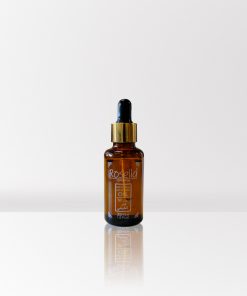 Rosella Natural Lavender OilRM180.00
